




Advertisement
If you can't remember the last time you had a good hair day, it might be time to take a closer look at your daily routine. Good habits — some as simple as brushing correctly — can make a significant difference when it comes to maintaining healthy, strong hair. Here are eight expert-recommended habits to incorporate into your daily life.
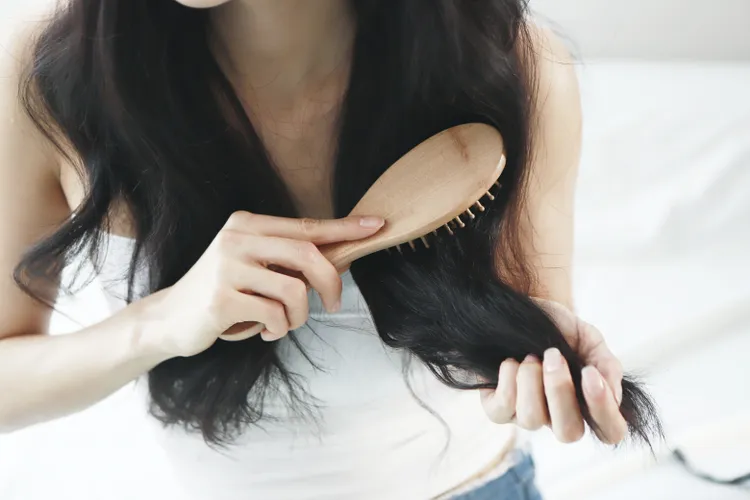
1. Brush Your Hair Daily — And Do It Gently
Brushing your hair is about more than just detangling and styling. According to Dr Kristina Collins, a board-certified dermatologist, brushing helps stimulate circulation to the scalp, which supports a healthy environment for hair growth. It also helps lift away dead skin cells, excess oil, and product buildup that can accumulate over time.
However, it's equally important to brush gently. Use a wide-tooth comb or a gentle detangling brush that won't pull on your hair. Brush before you shampoo to help remove buildup and distribute natural scalp oils, or brush in the shower while your hair is wet and conditioned. Conditioner provides slip that helps minimise friction and breakage.
2. Apply Shampoo and Conditioner Correctly
Shampoo and conditioner serve different purposes and should be used differently. Shampoo is designed to cleanse the scalp — apply it only to that area using the pads of your fingertips. There's no need to scrub shampoo down the length of your hair; the diluted suds that rinse through are sufficient to clean the mid-shaft and ends. Applying shampoo directly to the ends can be counterproductive, as the ends are the oldest, driest, and most fragile part of the strand.
Conditioner, on the other hand, should be applied to the mid-lengths and ends only — unless it's specifically formulated for scalp use.
3. Rinse With Warm Water
Avoid hot water when washing your hair. Hot water can damage the cuticle and strip natural oils, leaving hair more susceptible to damage. It can also worsen scalp irritation in people prone to dandruff, eczema, or sensitivity. A cooler water rinse at the end of your shower can help smooth the cuticle and improve shine.
4. Dry Your Hair Gently
Rubbing your hair vigorously with a towel when it's wet can roughen the cuticle, leading to frizz, tangling, and breakage. Instead of rubbing, gently blot or squeeze excess water out of your hair. Lightweight microfiber towels are recommended over heavy cotton towels, as they create less friction and reduce the risk of breakage over time.
5. Protect Your Hair and Scalp From the Sun
UV exposure is a major environmental stressor that can damage both hair and scalp. Ultraviolet light degrades proteins and melanin pigment in the hair shaft, resulting in dry, brittle, and faded hair. The scalp, being living skin, is especially vulnerable — yet it's one of the most neglected areas when it comes to sun protection.
Wear a hat, avoid peak sun hours, or use hair products that offer UV protection to shield your scalp and hair from oxidative stress and inflammation.
6. Eat the Right Nutrients
What you eat directly affects your hair health. The hair shaft is built from keratin, a protein, so if you're not getting enough high-quality protein, your body simply doesn't have the raw materials to produce strong, thick fibres. Include protein-rich foods like eggs, fish, tofu, lentils, chicken, and Greek yoghurt in your diet. Other important nutrients include Omega-3 fatty acids, iron, zinc, vitamin D, and B vitamins.
7. Avoid Tight Ponytails
Wearing your hair in tight buns or ponytails can cause chronic tension on the hair follicles, leading to traction alopecia over time. Loosen your hairstyles whenever possible. Opt for soft, fabric-covered hair ties or silk scrunchies, which reduce tension and friction. Tight elastic bands, especially those with metal components, can cause breakage and traction damage with repeated use.
8. Care for Your Hair Overnight
Before going to bed, make sure your hair is completely dry — wet strands are fragile and more prone to breaking. Using a silk or satin pillowcase can also help reduce friction on your hair while you sleep, preventing tangles and maintaining smoothness.
Final Thoughts
Healthy hair isn't just about the products you use — it's also about the daily habits you practice. From brushing gently to protecting your scalp from the sun and eating a nutrient-rich diet, small changes can add up to stronger, shinier, and more resilient hair over time. Start incorporating these expert-backed tips into your routine, and you'll likely notice the difference before long.


Advertisement


Advertisement


Advertisement


Advertisement


