




Advertisement
Humidity in Singapore can trigger or worsen certain skin conditions, and it's not always easy to tell whether it's eczema or just a heat rash. You might also need to get a mole checked or help your teenager manage acne. Dermatology in Singapore can be expensive — consultation fees, creams and medications add up quickly. This guide breaks down common skin conditions, public vs private costs, and whether health insurance can help cover treatment.
Top three skin conditions in Singapore
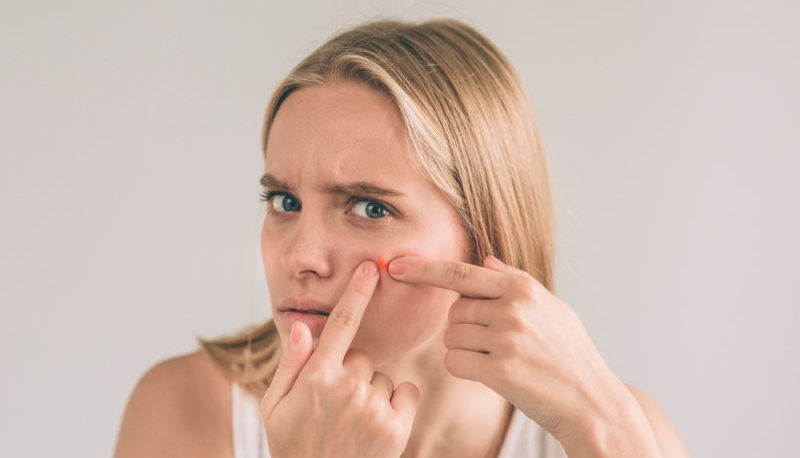
#1 Acne Hot and humid climates cause excessive sweating, making it easier for dust and dirt to become trapped in pores. Heat also increases sebum production, leading to oilier skin that becomes a breeding ground for bacteria — triggering acne flare-ups.
#2 Eczema Eczema (atopic dermatitis) refers to skin inflammation and is one of the leading causes of sensitive and dry skin. It affects about one in 10 people at some point in their lives. Allergies, dust, excessive sweating, sun creams and chlorine can worsen the condition. The National Skin Centre (NSC) reported that eczema accounted for roughly 30% of new cases last year.
#3 Heat rash Heat rash is caused by blocked sweat ducts, leading to blisters, small bumps and itchiness. Excessive sweating and non-breathable clothing can make it worse. Keeping skin cool — with cold showers and avoiding irritating shower gels — can help prevent it.
Public vs private dermatological treatment
Going public If you choose the National Skin Centre (NSC), be prepared to wait up to six weeks for an appointment — walk-ins are not allowed. Foreigners do not enjoy subsidised rates at NSC, but you can get an earlier appointment by arranging a referral from a private doctor or medical centre. For non-Singaporeans, consultations start from $178 (up to $217 for a senior consultant). Rates are slightly lower for citizens and permanent residents.
Going private Private dermatologists offer much faster access — most clinics can see you within two days. First consultations typically cost between $120 and $220, with medication adding another $150 to $300. Costs can be significant, especially if you need frequent visits.
Does health insurance cover dermatological care?
Whether your insurance covers dermatology depends on your plan. Policies that cover outpatient treatment usually include visits to a GP for skin irritations. However, specialist referrals to dermatologists are often an additional benefit that you may need to pay for.
If you already had the condition before signing up, it may be considered a pre-existing condition. International health insurance providers are generally more flexible — some will cover pre-existing conditions after a waiting period or with an additional premium.
Important: Medical insurance plans only cover medically necessary treatments. Cosmetic dermatology — such as fillers or chemical peels — is typically excluded.
Quick cost comparison
Public (NSC) – non-citizen | Private clinic | |
First consultation | $178 – $217 | $120 – $220 |
Medication | Varies | $150 – $300+ |
Wait time | Up to 6 weeks | 1–2 days |
For more advice on health insurance options for dermatological care, reach out to a specialist insurance broker for a free quote and tailored guidance.
 Watch AD Unlock More
Advertisement


Advertisement


Advertisement


Advertisement