




Advertisement
Even if you’ve done your homework, it’s unfortunately very common to blow your renovation budget in Singapore. Sometimes it’s a surprise issue that only shows up once work begins; other times, it’s realising that the “laminates” in your quotation don’t include that anti-fingerprint finish you’ve been eyeing. Either way, these hidden costs can add up fast.
We’ve put together some of the most common budget surprises you don’t see coming, plus a few measures you can take — including opting for CaseTrust-accredited firms — to help reduce the chances of getting blindsided.
1. “Small” Variations

A single change may not seem like much when you’re asking for that tweak. For instance, adding an extra power socket usually goes for S$80 to S$120 each, or adjusting a cabinet depth because it doesn’t fit your appliance only seems like a minor issue. But once work begins, every change is chargeable, and those small tweaks? They might just snowball into thousands.
How to avoid: Always ask for a Variation Order (VO) for every change, and check and sign it before changes are made so you aren’t caught off guard later. If you’re working with a CaseTrust-accredited firm, variations must be documented and agreed in writing (scope + revised pricing) before work proceeds, which helps prevent “surprise invoices” at handover.
2. Material Upgrades You Didn’t Realise Weren’t Included
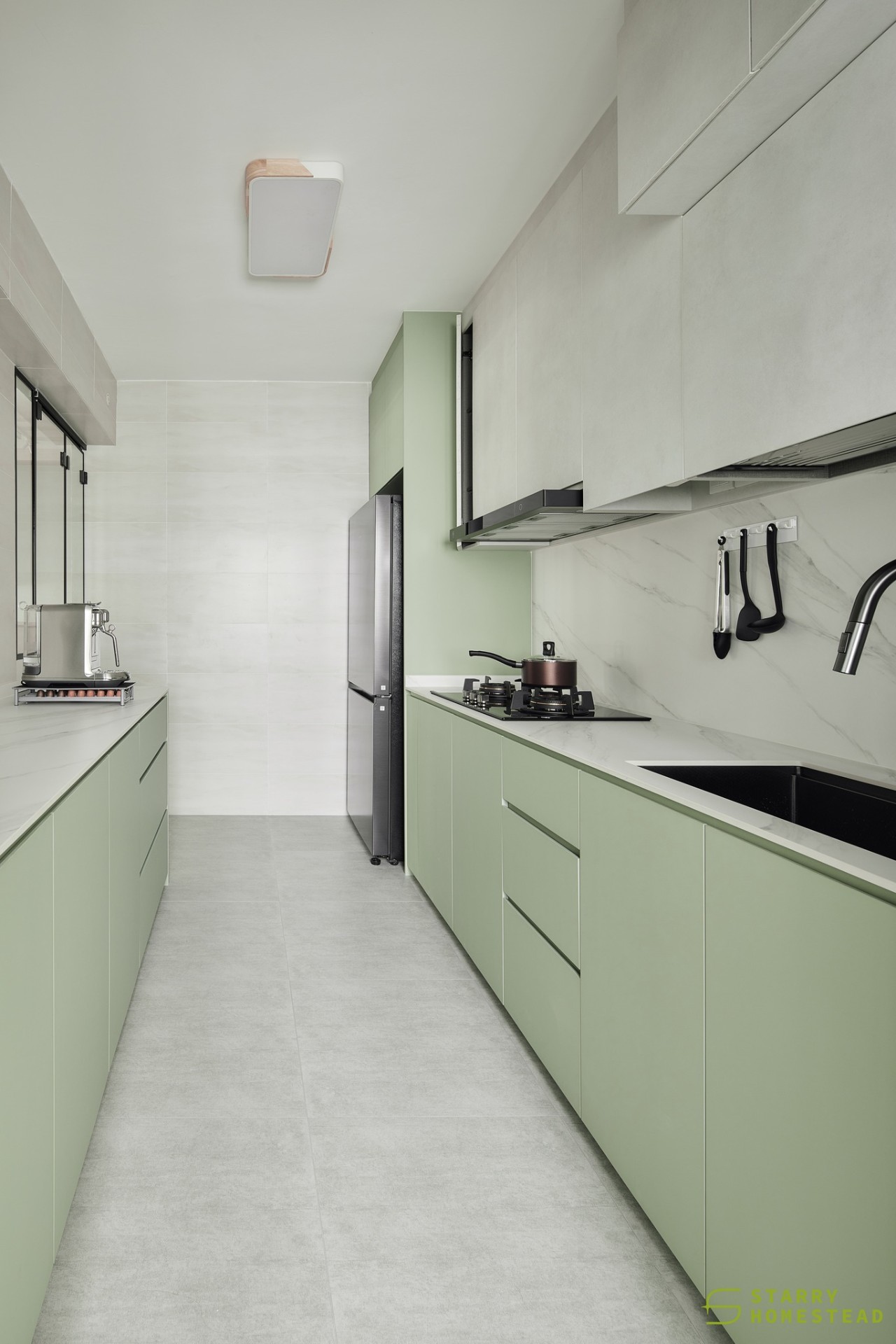
In your renovation quote, terms like “laminated cabinets” or “quartz countertop” sound specific, but there are many grades, thicknesses, and brands that can vary the cost of the material. This is even true for smaller things like hardware. Those Blum hinges you wanted may actually cost extra. Most times, unless the exact brand or series is stated in your contract, the default is usually the basic range.
How to avoid: If you care about specific finishes or hardware, make sure to get it in writing. Ask your contractor or interior designer to specify exactly what is included — brand, model, and grade — before you sign.
3. Temporary Living Costs (Due to Reno Delays)

Renovation delays not only cost time, they also cost money. Things like having to extend your rental, storage fees for furniture, moving twice — none of these appear in your renovation quotation, but renovation delays can make them unavoidable.
How to avoid: If you’re working with a CaseTrust-accredited firm, contracts must include clear timelines, responsibilities, and dispute resolution pathways, which give you leverage if delays occur without valid reasons, instead of quietly absorbing downstream costs.
4. Defect Fixes After Handover

Some issues only show up after you’ve moved in. These can include misaligned doors, water seepage, hairline cracks, or even electrical trips. If responsibility or the warranty isn’t clearly stated in your renovation quote, you may end up paying for fixes that should have been covered.
How to avoid: For CaseTrust firms, there’s a required 12-month workmanship warranty from the completion date. Rectifications for defects within contract terms shouldn’t become out-of-pocket expenses. Make sure your contract clearly states the warranty period and what it covers.
5. Design Work You Thought Was “Free”

Don’t assume design or 3D work is always free or included. Some firms charge them as a separate cost, and this is especially so if you decide not to proceed with the renovation works and are then asked to pay a design fee later. This isn’t necessarily wrong, but it often comes as a shock because expectations weren’t clearly set.
How to avoid: CaseTrust-accredited firms encourage clear separation of design fees and renovation costs. Any additional charges beyond the contract price — such as site preparation fees, 3D drawings, or delivery charges — are clearly stated so homeowners know exactly what they’re committing to.
6. Layout Patterns for Tiles

Tile prices often only cover straight-lay installation or patterns that aren’t too complicated to do, since these require a more basic level of skill and minimal cutting, so there’s less wastage. But if you prefer something more intricate — such as herringbone style or a detailed feature wall — labour charges can increase, and you may also incur additional cutting or material charges.
How to avoid: Budget for at least S$5 to S$15 per square foot if you’re considering something more intricate. Decide early and discuss with your interior designer or contractor beforehand, ideally before signing the contract, to avoid disputes and variation charges later.
7. Access Issues

This is especially true if you are planning to use oversized materials (e.g., large stone slabs for feature walls or countertops) or if your apartment has no lift access to carry bulky materials — think older estates or walk-up apartments. These access issues can result in additional manpower costs that you may not have factored into your renovation.
How to avoid: Ask your contractor to assess access conditions during the site visit and include any potential extra charges in the quotation upfront. It’s better to know early than to be surprised later.
8. Post-Reno Cleaning

A proper post-renovation cleaning is usually not included in the renovation package. It’s a more specialised service that you will need to hire external help for. Most interior design firms or contractors will only do the bare minimum of debris removal and cleaning, such as wiping down surfaces. But if you want your home to be move-in ready, consider engaging a post-renovation cleaning service.
How to avoid: Set aside an amount in your renovation budget for this service. Post-renovation cleaning services typically include wiping down built-ins, cleaning windows and grilles, removing adhesive and grout residue, vacuuming and mopping floors, dusting furniture, and cleaning sinks and toilets.
Final Thoughts
Renovating your home is an exciting journey, but it’s easy to get caught out by costs that aren’t immediately obvious. By understanding these eight hidden expenses and taking proactive steps — such as working with CaseTrust-accredited firms, getting everything in writing, and budgeting for contingencies — you can keep your project on track and your finances under control. A well-prepared homeowner is a happy homeowner.
 Watch AD Unlock More
Advertisement


Advertisement


Advertisement


Advertisement