




Advertisement
Whether grand in scale or a small DIY project, a renovation stirs up all sorts of emotions: excitement at the thought of the finished result, inspiration while making creative decisions, confidence from hands-on work, and perhaps a little trepidation about getting everything right.
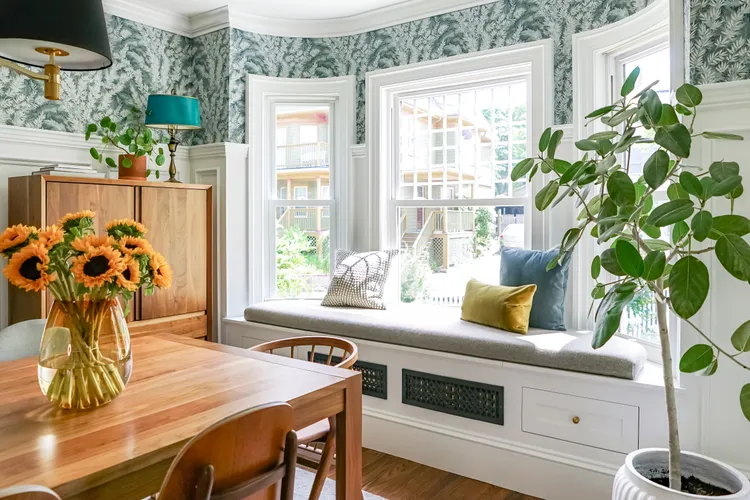
In their new book Good Character, authors and "Renovation Husbands" David and Stephen St. Russell share the wisdom they've gained from years of transforming fixer-uppers. Their key piece of advice? Ask yourself one simple question before you begin: What does the house want?
The Question That Could Save You Thousands
Across their many renovation projects, a consistent ethos has emerged. "The backbone of our design is the importance of listening to what your home is telling you," Stephen explains. "As silly as this sounds, it makes all the difference — and we've learned that the hard way."
The lesson came when they installed a sleek, modern kitchen in their Boston Victorian home. They stepped back, looked around, and immediately knew it wasn't right. "It just didn't look like it belonged," David recalls. "It was an expensive mistake, but it reminded us that taking the time to listen is just part of the process."
Now, they look at the historic elements of the building period and use era-appropriate materials and details wherever possible. From there, they infuse their personalities by adding pieces that are old, found, or loved — their "magic formula" for creating a space that feels authentic and rich with character.
More Tips from the Renovation Husbands
Beyond asking what the house wants, here are additional pieces of advice from David and Stephen:
1. Create a Master Plan Start with a whole-home mood board. "This is where we establish a 'vibe' using inspirational images, and where we pull in materials already found in the home," Stephen says. Once you've created this, it'll help narrow down your choices and inform your design decisions.
2. Take Your Time Not everything needs to happen on day one, phase one, or even year one of your renovation. "The best nooks and crannies of our spaces are still evolving and being tweaked all the time," David notes. Good design takes time, and living in a space often reveals what it truly needs.
3. Have Fun With It At the end of the day, David reminds us not to take it all too seriously. "We encourage you to get a little weird. Pick up the quirky tchotchke at the estate sale, cover your walls with Paint by Numbers, and choose the bold paint colour." The most memorable spaces often come from taking risks.
4. Make It Personal The book lays out key design principles, but ultimately, "It's your space. You make the rules," Stephen says. "Let it evolve and grow with you to become the place that tells your story, and ultimately, brings you joy."
Final Thoughts
A successful renovation isn't just about following trends or checking boxes — it's about creating a home that feels authentic to both the space and the people who live in it. By asking what the house wants and staying true to your personal style, you can avoid costly mistakes and build a home that's full of character, meaning, and lasting appeal.
 Watch AD Unlock More
Advertisement


Advertisement


Advertisement


Advertisement