




Advertisement
Have you noticed changes in attitudes or demand for facelifts recently? There has been a noticeable shift in how patients think about facelifts. Increasingly, they are not asking just to look younger, but to look more like themselves again. The sentiment that "the best facelift is the one nobody can tell you have had" resonates strongly with patients today.
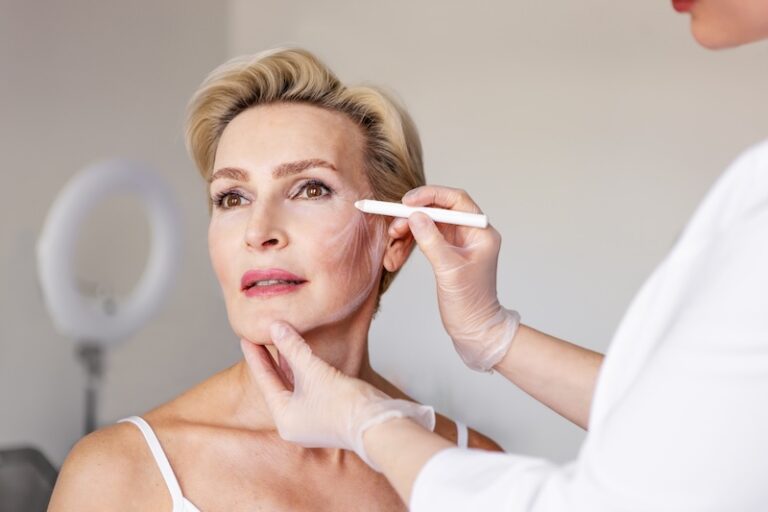
Most patients are asking for natural results — softening jowls, restoring jawline definition, and improving facial fatigue — without looking tight or overdone. Patients are more informed now and often research on social media, so they frequently ask about technique, longevity of results, and how the face will age over time after surgery.
How Deep Plane Facelifts Differ from Traditional Treatments
This growing interest reflects a better understanding that ageing in the face happens in layers, so correction needs to happen in layers too. Traditional facelifts focus on tightening skin and superficial tissues, whereas the deep plane technique repositions deeper facial structures as a unit. This allows for more effective rejuvenation of the mid-face, jawline, and nasolabial folds, with results that look more natural and last longer. The face moves naturally without the stretched appearance sometimes associated with older techniques.
Who Is a Good Candidate?
Someone with realistic expectations who understands that the goal is restoration rather than reinvention. Candidates should be in good overall health. Non-smokers are ideal, as smoking significantly increases complications and impairs healing. Patients who benefit most are those with true skin laxity and tissue descent. While fillers and minimally invasive treatments can help with early ageing changes, they cannot correct significant sagging. In these cases, the skin and underlying tissues need to be surgically lifted to achieve meaningful and lasting improvement.
What Are the Risks of a Deep Plane Facelift?
The risks include bleeding, infection, scarring, asymmetry, and nerve-related issues such as temporary weakness or numbness. Because the dissection is deeper, the surgeon's experience and understanding of facial anatomy are critical. With proper technique and patient selection, outcomes can be very safe and predictable.
When Is a Neck Lift Recommended Together with a Facelift?
A neck lift is recommended when there is significant neck ageing, such as loose skin, visible bands, or loss of jawline definition that a facelift alone cannot correct. The neck does not age separately from the face — it ages with it. Treating one without the other can lead to imbalance, which is why combined face and neck rejuvenation is common and often produces the most harmonious results.
How Much Do Facelifts and Neck Lifts Cost?
In Singapore, facelifts generally fall in the mid to high five-figure range, with neck lifts priced slightly lower or incorporated into a combined procedure. This reflects not just the operation but also the surgeon's expertise, anaesthesia, facility standards, and post-operative care.
What Should Patients Understand About Facelifts Today?
Modern facelift surgery is about respecting facial identity. The best outcomes come from a personalised approach, sometimes combining surgery with non-surgical treatments, guided by sound anatomical principles. When done well, the result should prompt comments like "You look well" or "You look rested" — never "What did you do?"
Final Thoughts
Modern facial rejuvenation should be a quiet enhancement that honours the way you age. A deep respect for facial identity is central to this philosophy. The most successful surgery is one that remains invisible — using experience to restore natural features so you simply look like a more rested, vibrant version of yourself.
For more information about deep plane facelifts and neck lifts, consult a qualified plastic surgeon in Singapore. A full medical consultation is recommended before considering any surgical procedure.
 Watch AD Unlock More
Advertisement


Advertisement


Advertisement


Advertisement