




Advertisement
A recent volcanic eruption in Indonesia’s Mount Dukono, which resulted in fatalities involving two Singaporeans and one Indonesian national, has brought renewed attention to the risks associated with hiking active volcanoes. The incident has also raised urgent questions among travellers about safety planning, trip preparation, and whether such activities are protected under standard travel insurance policies.
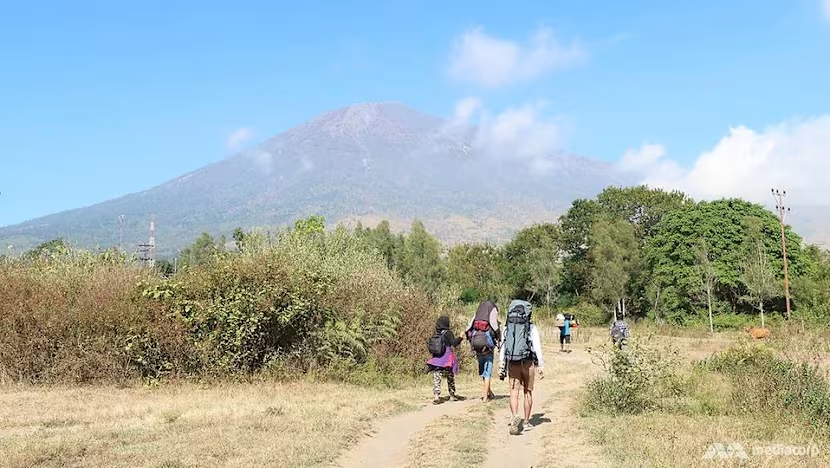
Volcano trekking has grown in popularity among adventure travellers in recent years, particularly across Southeast Asia. However, experts caution that the activity carries inherent risks ranging from sudden itinerary changes and route closures to emergency evacuations in remote terrain. In rare but serious cases, volcanic activity can escalate quickly, leaving hikers exposed to hazardous conditions.
One of the key concerns following such trips is insurance coverage. Industry specialists note that coverage is not always straightforward. Many general travel insurance plans do not explicitly list volcano trekking as excluded, but they often exclude or restrict protection for high-risk activities. These typically include expeditions in remote or difficult-to-access terrain, climbing that requires specialised equipment, or trekking beyond certain altitude thresholds.
According to insurance professionals, coverage often depends on how the activity is classified. Recreational hiking arranged through licensed operators under established safety protocols is more likely to be included, while independent or high-difficulty expeditions may fall outside standard protection. Policy terms can vary significantly between providers, making careful review essential before departure.
For travellers considering volcano hikes, more comprehensive travel insurance options are often recommended. These may include add-ons that specifically cover trekking or adventure activities, with limits defined by altitude and route difficulty. Some providers also offer tiered plans based on elevation, with higher tiers designed for more demanding mountain environments.
Costs for such add-ons can vary depending on trip length and coverage scope. For short regional trips, additional protection may range from moderate to higher premiums depending on risk classification. More specialised expedition coverage, including evacuation services, can be significantly more expensive but may be necessary for high-altitude or remote climbs where emergency response is complex.
Experts also highlight the importance of understanding the distinction between guided tourism routes and more challenging expedition-style trekking. Visits to managed volcanic parks with controlled access and supervision are generally treated differently from independent climbs in remote areas. Insurance coverage often reflects this distinction, with stricter conditions applied to higher-risk environments.
A key factor in policy approval is whether the activity is conducted under recognised safety supervision. Licensed guides, structured itineraries, and adherence to local regulations can all influence whether claims are valid in the event of an incident. Conversely, activities that deviate from declared plans or fall outside approved guidelines may not be covered.
Beyond volcano trekking specifically, travel insurance is designed to protect against unexpected financial burdens during overseas trips. This includes emergency medical treatment, evacuation from remote areas, and liability costs that can escalate significantly in serious situations. Industry representatives note that such expenses can quickly reach substantial amounts, particularly when specialised rescue operations are required.
Insurance may also provide protection for trip disruptions caused by natural events, although coverage conditions vary. In some cases, claims may be affected if travellers proceed despite official advisories or warnings issued by authorities. Providers generally assess whether risks were known prior to departure and whether reasonable precautions were taken.
Specialists further emphasise that claims can become complicated when travellers do not disclose planned high-risk activities or fail to follow required safety procedures. Documentation, adherence to operator guidelines, and awareness of destination advisories all play a role in determining claim outcomes.
As interest in adventure travel continues to grow, experts advise travellers to carefully evaluate both the nature of their itinerary and the level of protection provided by their insurance plan. While volcano trekking can offer unique and memorable experiences, it also requires a clear understanding of the risks involved and the safeguards needed to manage them responsibly.
 Watch AD Unlock More
Advertisement


Advertisement


Advertisement


