




Advertisement
Cataracts are one of the most common age-related eye conditions, affecting millions worldwide. In Singapore, where an ageing population and high levels of sun exposure are factors, the question on many minds is: can cataracts be prevented?
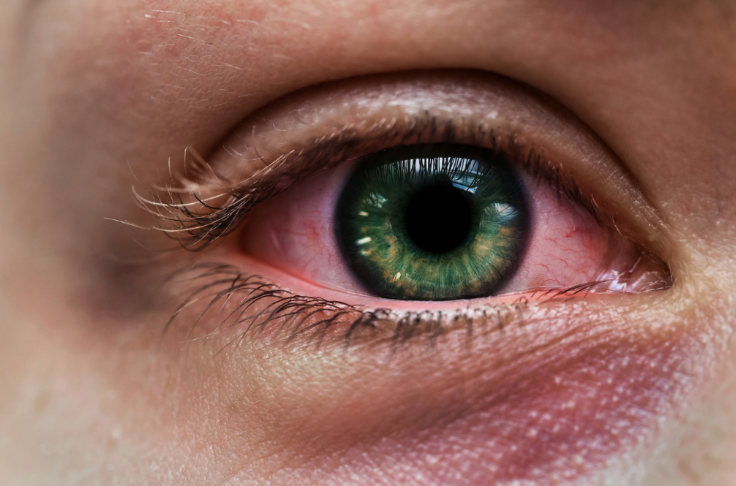
The short answer is that cataracts can't always be avoided, particularly since they are a natural part of the ageing process. However, that doesn't mean you're powerless. By adopting healthy habits, managing underlying medical conditions, and staying on top of regular eye check-ups, you can reduce certain risk factors and potentially slow the progression of vision problems.
Here's what you need to know about cataracts—from early warning signs to lifestyle changes that may help protect your eyes.
Why Do Cataracts Develop?
Your eye contains a natural lens that focuses light onto the retina, allowing you to see sharp, clear images. Over time, this lens can become cloudy—a condition we call a cataract. This clouding makes vision appear blurry, faded, or less vibrant.
While ageing is the most common cause, cataracts don't discriminate by age alone. Some individuals develop them earlier due to a combination of health conditions, lifestyle choices, or past eye injuries.
Common factors associated with cataract development include:
Advancing age
Diabetes and poor blood sugar control
Prolonged exposure to sunlight without protection
Smoking
Previous eye injuries or surgeries
Long-term use of certain medications
Understanding these risk factors doesn't guarantee you'll avoid cataracts entirely, but it does give you a clearer picture of what you can do to safeguard your eye health.
Can Lifestyle Changes Stop Cataracts Completely?
Let's be realistic: there is no sure-fire way to prevent cataracts forever. The eye naturally changes with age, and many people will experience some degree of lens clouding later in life.
However, that doesn't mean prevention efforts are futile. Healthy habits can support better overall eye health and reduce unnecessary strain on your vision.
Practical steps you can take include:
Wearing sunglasses with UV protection whenever you're outdoors
Eating a balanced diet rich in leafy greens, colourful vegetables, and fruits high in antioxidants
Managing chronic conditions like diabetes and high blood pressure
Quitting smoking—one of the most significant controllable risk factors
Scheduling regular eye exams, especially if you're over 40
While these measures won't eliminate your risk, they promote healthier ageing of the eyes and may delay the onset of cataracts.
Early Signs That Cataracts May Be Developing
Cataracts typically develop slowly, and the early changes can be subtle. Many people adapt gradually, mistaking the symptoms for simple eye strain or a need for new glasses.
Look out for these common signs:
Blurry or cloudy vision—making it harder to read or recognise details
Increased sensitivity to glare—especially from headlights or bright sunlight
Poor night vision—difficulty seeing clearly after dark
Faded or yellowed colours—surroundings may appear less vibrant
If you notice any of these changes, it's worth scheduling an eye examination. An optometrist or ophthalmologist can determine whether cataracts—or another issue—are the cause.
When Does Cataract Treatment Become Necessary?
It's important to understand that while lifestyle changes support eye health, they cannot reverse or remove an existing cataract. Once the lens has clouded to the point where it begins to interfere with daily life—such as reading, driving, or working—it may be time to consider treatment.
Cataract surgery is the standard and most effective treatment for cataracts. During the procedure, the cloudy natural lens is removed and replaced with an artificial intraocular lens (IOL). The goal is to restore clear vision and help patients return to activities they may have been struggling with.
In Singapore, patients have access to a range of advanced surgical options, including both conventional and laser-assisted techniques. However, not all approaches are suitable for every patient. Factors such as eye health, lifestyle, and individual visual needs all play a role in determining the most appropriate treatment plan.
A consultation with a cataract specialist can help you understand:
The current condition of your cataracts
Available lens implant options
What kind of visual outcomes you can expect
The recovery timeline and what it involves
Why Regular Eye Check-ups Shouldn't Be Delayed
Many people postpone visiting an eye specialist until their vision becomes noticeably worse. But regular eye exams are crucial—not just for detecting cataracts, but for catching other age-related conditions early.
Eye examinations are especially important if you:
Have diabetes or other chronic health conditions
Notice frequent changes in your vision
Experience increased glare or difficulty seeing at night
Have a family history of eye problems
Early detection gives you more time to understand your options and make informed decisions before cataracts begin to impact your independence.
Conclusion
While cataracts can't always be prevented, knowing the risk factors and recognising the early signs puts you in a stronger position to protect your vision. A combination of healthy habits, sun protection, regular eye checks, and timely medical advice can go a long way.
If you're experiencing any vision changes—or simply want to stay on top of your eye health—it's never too early to consult an eye specialist. After all, your eyesight is one of your most valuable assets. Taking proactive steps today could make all the difference in the years to come.


Advertisement


Advertisement


Advertisement


Advertisement


