




Advertisement
When most of us think about edible seeds, our minds usually jump to chia seeds stirred into smoothies or overnight oats, pumpkin seeds roasted after carving jack-o'-lanterns each fall, or sunflower seeds chewed and spit out at a baseball game. But chances are that you eat one type of seed far more often than any of those, usually without even realising it.
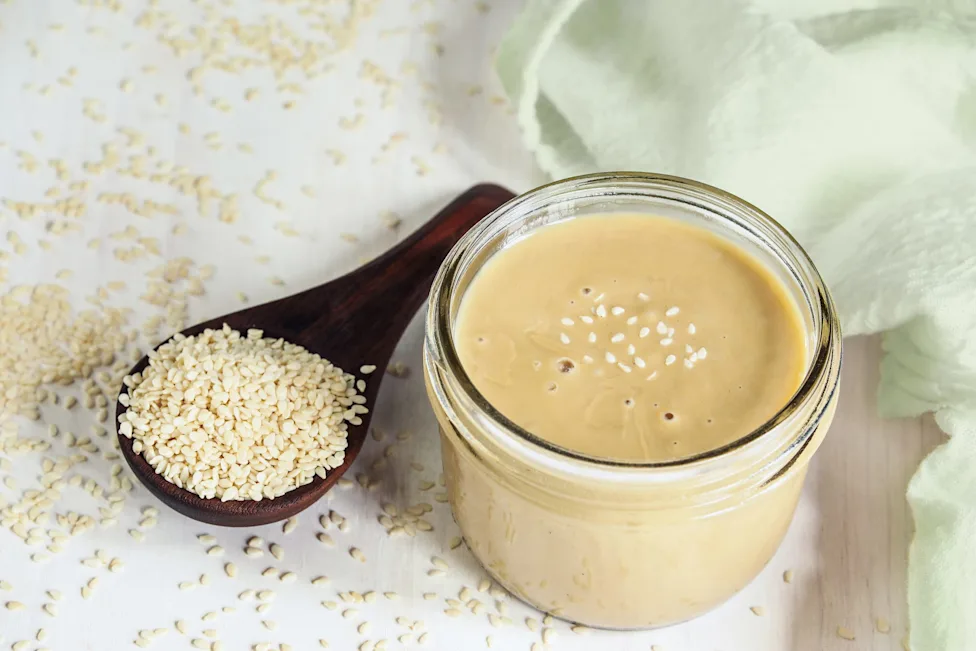
After all, tiny sesame seeds are sprinkled across burger buns, bagels, breadsticks, crackers and sushi rolls. They're baked into countless breads and pastries, and often add a nutty crunch atop yoghurt and salads. They are also especially valued in Middle Eastern, Mediterranean and Asian cuisine, where they are commonly sprinkled on rice and noodle dishes. Tahini – a creamy sesame seed paste – serves as the foundation for foods like hummus, baba ghanoush, salad dressings, sauces and many desserts.
What Are Sesame Seeds?
Sesame seeds are the tiny, flat, oval-shaped edible seeds of Sesamum indicum, one of the world's oldest cultivated oilseed crops. Believed to have been domesticated thousands of years ago in parts of Africa and India, sesame is now grown throughout many warm regions of the world, including India, Sudan, Myanmar, China and several countries across the Middle East.
The plants produce long, narrow seed pods that naturally split open when mature, a characteristic that inspired the famous phrase, "Open Sesame." After harvesting, the seeds are cleaned and dried before being sold either with their outer hull intact or removed. Hulled sesame seeds have a milder flavour and lighter colour, while unhulled seeds retain more fibre and certain minerals because the outer coating remains. Because of these growth and production differences, there are brown, tan, white and even black sesame seed varieties.
Are Sesame Seeds Good for You?
Despite their small size, sesame seeds are remarkably nutrient-dense. A single tablespoon provides more than a gram of dietary fibre, which helps support healthy digestion, nourishes beneficial gut bacteria, promotes feelings of fullness and can contribute to healthier cholesterol and blood sugar levels.
Sesame seeds are also rich in several key minerals. They provide magnesium, which supports muscle and nerve function, blood sugar regulation and healthy blood pressure; phosphorus, which plays a key role in building bones and teeth and helping the body produce energy; and copper, a mineral needed for energy production, connective tissue formation, immune function and antioxidant defences. A single tablespoon also offers 88 milligrams of calcium, which supports bone health and normal muscle and nerve function.
The seeds also provide modest amounts of zinc, selenium, manganese, vitamin B1 (thiamin) and vitamin E, each of which plays important roles in metabolism, immune health and protecting cells from oxidative damage. They also provide iron, helping bridge the gap for this nutrient which is the most common nutrient deficiency worldwide.
Sesame seeds also contain unique plant compounds called lignans, particularly sesamin and sesamolin, along with vitamin E and other antioxidant compounds that help protect cells from oxidative stress.
The One Drawback: Sesame Allergies
While sesame seeds offer numerous health benefits, they are increasingly recognised as a significant food allergen. Sesame allergy has become more common in recent years, and in some countries, it is now considered a major allergen that must be clearly labelled on packaged foods.
Sesame allergy can cause a range of symptoms, from mild reactions such as hives, itching and digestive discomfort to severe reactions, including anaphylaxis, which can be life-threatening. Individuals with a known sesame allergy should avoid sesame seeds, sesame oil and products containing tahini or other sesame-based ingredients.
If you suspect a sesame allergy, consult a healthcare professional for proper testing and diagnosis. For those without an allergy, sesame seeds can be a safe and nutritious addition to a balanced diet.
Final Thoughts
Sesame seeds may be small, but they pack a significant nutritional punch. From supporting heart health and bone strength to providing essential minerals and antioxidants, they are a versatile and valuable addition to many dishes. However, their rising status as a major allergen means that for some, they are best avoided. As with any food, moderation and awareness are key to enjoying the benefits while staying safe.
 Watch AD Unlock More
Advertisement


Advertisement


Advertisement


Advertisement