




Advertisement
Condo renovation costs in Singapore have shifted noticeably in 2026. Material prices have stabilised after the post-pandemic volatility, but labour costs continue to rise — and the growing demand for smart home features and sustainable materials is adding new line items to renovation budgets. Whether you own a brand-new launch or an older resale unit, here's what you can realistically expect to budget in 2026.
Average Condo Renovation Costs in Singapore 2026
Unit TypeSizeEstimated Cost | ||
New launch condo | 500–700 sq ft (1–2 BR) | $30,000 – $50,000 |
New launch condo | 800–1,200 sq ft (3 BR) | $45,000 – $70,000 |
Resale condo | 500–700 sq ft | $55,000 – $80,000 |
Resale condo | 800–1,200 sq ft | $75,000 – $120,000 |
Resale condo | 1,200+ sq ft (large / penthouse) | $100,000 – $180,000+ |
Resale units cost significantly more because they typically require hacking of existing finishes, rewiring, and more extensive structural work before new installations can begin.
Room-by-Room Cost Breakdown (3-Bedroom Resale Condo)
Living & Dining Room: $12,000 – $22,000
Feature wall (fluted panels, stone veneer, or wallpaper): $2,000 – $5,000
Built-in TV console and storage: $3,000 – $6,000
Lighting (recessed, cove, pendants): $2,000 – $4,000
Flooring (vinyl planks or engineered timber): $3,000 – $6,000
False ceiling: $2,000 – $3,500
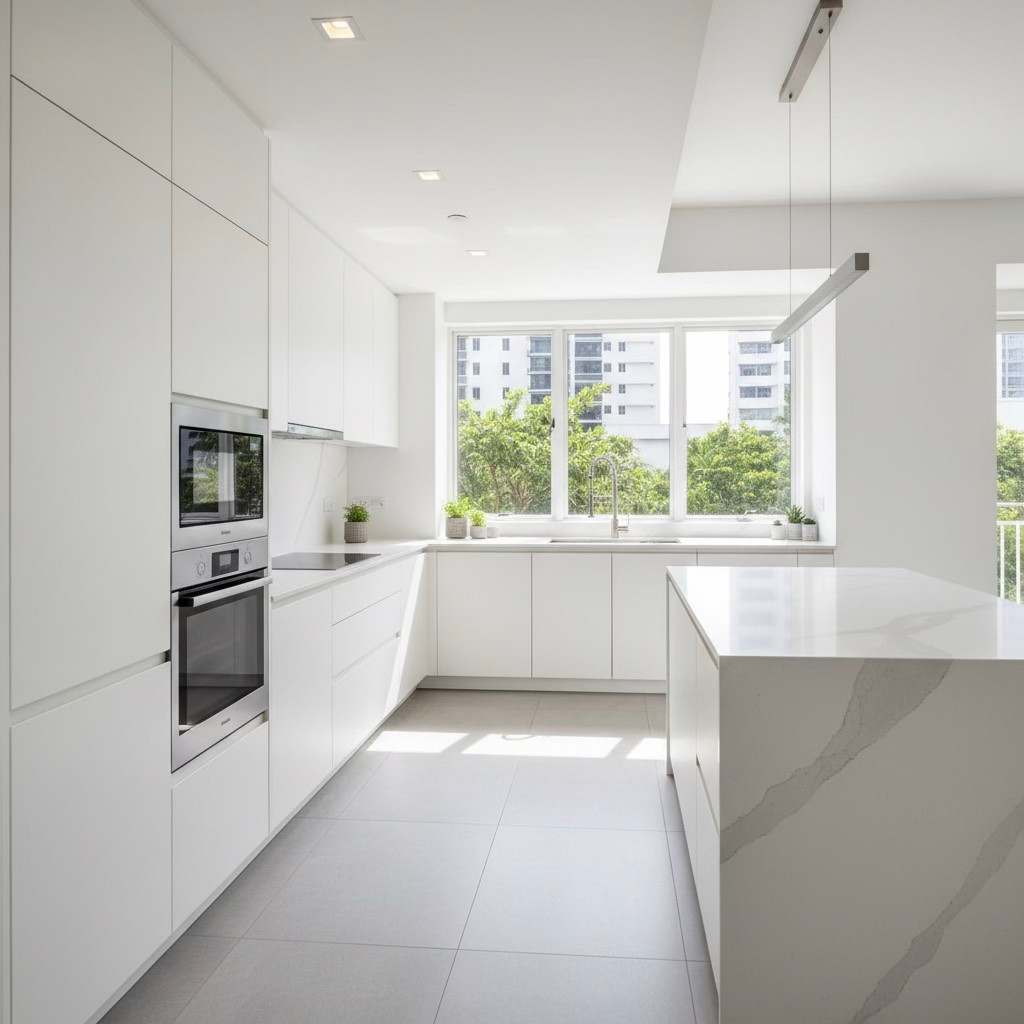
Kitchen: $10,000 – $20,000
Full custom cabinetry: $5,000 – $10,000
Quartz countertop: $1,500 – $3,000
Built-in appliances (hood, hob, oven, dishwasher): $3,000 – $7,000
Backsplash tiling: $800 – $2,000
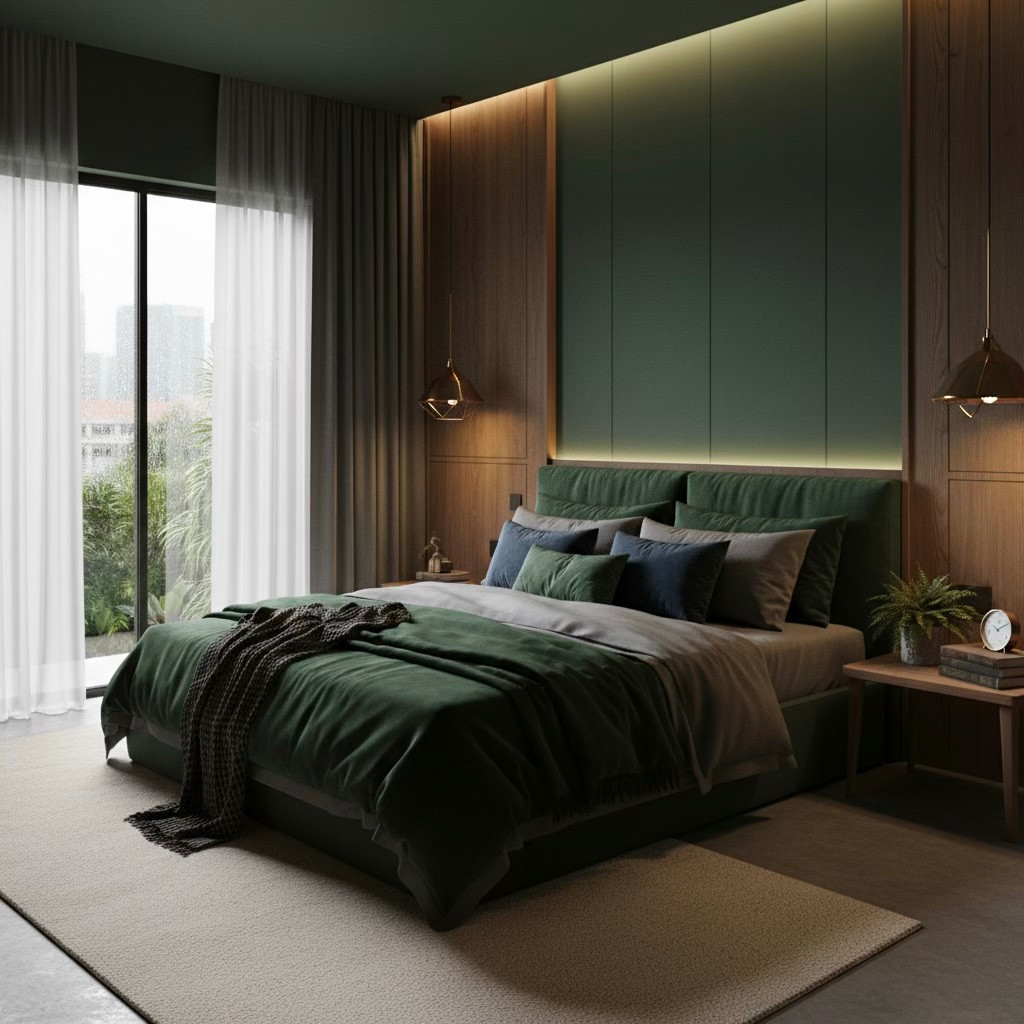
Master Bedroom: $8,000 – $15,000
Built-in wardrobe: $3,500 – $7,000
Bed frame and headboard (custom): $2,000 – $4,000
Feature wall: $800 – $2,000
Air-conditioning (replace unit): $1,200 – $2,500
Common Bedrooms (×2): $4,000 – $8,000 each
Built-in wardrobe and study table
Lighting and air-conditioning
Bathrooms (×2): $8,000 – $16,000 total
Full hack and retile: $2,500 – $4,500 per bathroom
Sanitary fittings and accessories: $1,500 – $3,000 per bathroom
Glass shower screen: $800 – $1,500
Other Works: $8,000 – $15,000
Electrical rewiring and power points: $3,000 – $5,000
Painting (full unit): $2,500 – $4,000
Plumbing works: $1,500 – $3,000
Smart home installation: $1,500 – $5,000
Key Factors That Affect Your Budget
1. Age and condition of the unit Older resale condos (15+ years) often require more hacking, rewiring, and plumbing work — adding $10,000–$30,000 to the base budget. Always factor in a 10–15% contingency for older units.
2. Choice of ID firm vs. contractor-only Engaging an interior designer adds design fees (typically $3,000–$8,000) but provides project management, 3D visualisations, and coordinated scheduling. A contractor-only approach is cheaper but requires significantly more owner involvement and coordination.
3. Material selection Italian marble vs. local porcelain tiles. Custom millwork vs. off-the-shelf cabinetry. Branded German appliances vs. local alternatives. Material choices alone can shift your budget by 30–40%.
4. Smart home integration Voice-controlled lighting, automated curtains, video doorbells, and smart air-con systems are increasingly popular — and increasingly expensive. Budget $3,000–$8,000 for a proper smart home setup.
5. Renovation timeline Rush jobs cost more. Off-peak scheduling (avoiding Chinese New Year and the year-end holiday period) typically offers 5–10% savings on labour costs.
New Launch vs. Resale: Which Costs More to Renovate?
FactorNew LaunchResale | ||
Hacking required | Minimal | Extensive |
Wiring condition | New | May need replacement |
Plumbing | New | May need upgrading |
Finish quality | Developer standard | Varies widely |
Typical premium | — | +40–60% overall |
For new launches, the developer finishes are your starting point — you're adding rather than replacing. For resale, budget for the unexpected.
5 Ways to Manage Your Renovation Budget
Prioritise the kitchen and bathrooms — these have the highest impact on daily living and resale value
Choose local or regional suppliers for cabinetry and tiles (comparable quality at 30–40% lower cost than European brands)
Get 3–5 quotes before committing — renovation costs in Singapore vary significantly between firms for identical scopes
Avoid scope creep — changes mid-project are the biggest budget killer; finalise your design before work starts
Time it right — scheduling between March–May or August–October (off-peak) often means faster timelines and more competitive pricing
What Does $50,000 Get You in 2026?
For a new launch 2-bedroom condo (~700 sq ft), $50,000 is a workable budget that covers:
Full kitchen renovation with custom cabinetry and built-in appliances
Master bedroom wardrobe and feature wall
New flooring throughout
Fresh paint and lighting upgrades
One bathroom refresh (not full hack)
For a resale unit of the same size, $50,000 covers a moderate renovation — possibly without full hacking or complete bathroom overhaul. You'll need to prioritise essentials over premium finishes.
Frequently Asked Questions
Do I need to hire an interior designer for a condo renovation? No — you can engage a general contractor directly. But for complex renovations or if you want a cohesive design vision, an ID firm adds real value through project management and design coordination.
How long does a condo renovation take in Singapore? New launch: 6–10 weeks. Resale with hacking: 10–16 weeks. Complex landed or large-unit projects: 4–6 months. Always add 2–3 weeks for buffer — delays from material lead times or permit approvals are common.
Can I renovate during weekdays if my condo has restrictions? Most condos allow renovation work Monday–Saturday, typically 9am–6pm. Check your management corporation (MCST) rules before signing contracts — some estates have additional noise restrictions or specific operating hours.
Is renovation loan financing worth it? For renovations above $30,000, a renovation loan (typically 6–8% p.a. in Singapore) spreads the cost over 1–5 years. Compare rates across banks before deciding, and only borrow what you can comfortably repay.
A well-planned renovation budget isn't just about the final number — it's about knowing where your money is going, what's genuinely necessary, and where you can save without compromising quality. Start with a clear scope, get multiple quotes, and always leave room for the unexpected. That's the smartest investment you'll make in your home.
 Watch AD Unlock More
Advertisement


Advertisement


Advertisement


Advertisement