




Advertisement
Most of us have a rough sense of what our groceries cost. Not down to the penny, but close enough to notice when something changes. Beef has been one of those items for many shoppers. While groceries in general have become more expensive, beef prices seem to have climbed especially quickly — and it's particularly noticeable during grilling season.
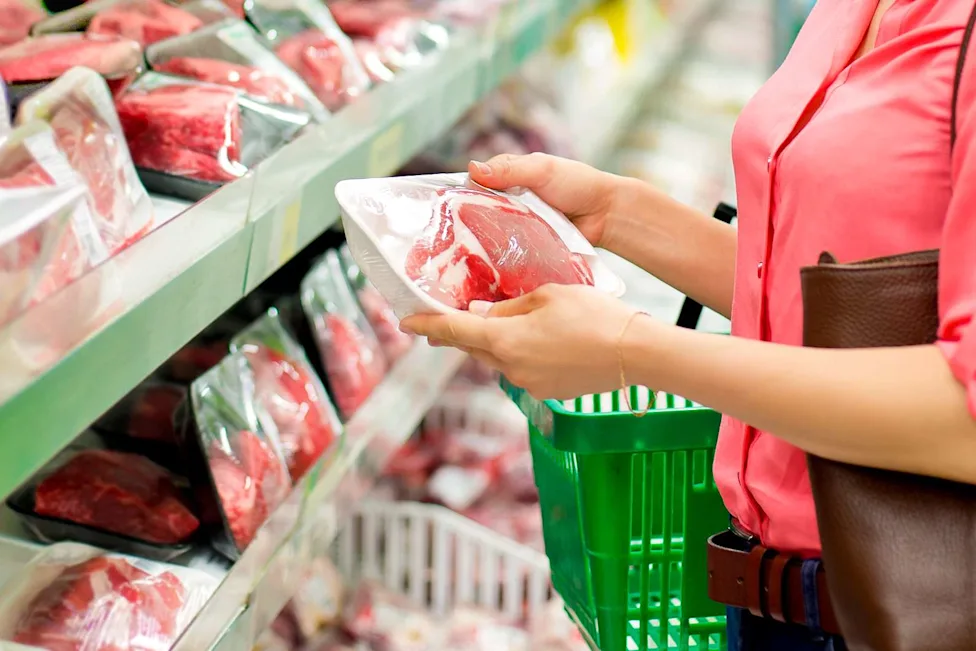
According to the U.S. Department of Agriculture (USDA), today's higher beef prices are the result of challenges that have been building for years. Curious about what was behind the higher price tags, I dug into the latest government data and talked with shoppers who are making small changes to compensate for the price hike. Here's what I learned, along with simple ways to stretch your grocery budget without giving up beef altogether.
Why Beef Prices Are Climbing
According to the latest USDA data, the average retail price of fresh beef reached a record $9.64 per pound this spring, about 13 percent higher than a year earlier. One of the biggest factors affecting beef prices is supply and demand. A smaller national cattle herd, drought, and steady demand for burgers and steak have combined to push prices well above where they were just a few years ago.
When Will Beef Prices Come Down?
Unfortunately, there isn't a quick fix. Market experts expect beef prices to remain high through 2026 and likely into 2027, with little relief expected before then. Rebuilding the nation's cattle herd takes time. Even if ranchers start expanding their herds today, it takes about two and a half years before that beef reaches grocery stores. You simply can't rush a cow. Instead of waiting for prices to drop, it helps to adjust how you shop.
How to Keep Beef on Your Table Without Breaking the Bank
Branch out: Lean on other proteins
Chicken is one of the few proteins that has gotten a little cheaper this year, averaging around $4.17 per pound for boneless, skinless breasts. Swap it into your go-to beef recipes, like tacos, chili, stir-fries, and pasta. Pork chops are another budget-friendly option, at around $4.39 per pound.
Compare cuts
While premium steaks have seen some of the biggest price increases, more affordable cuts like chuck roast and round can still be a good value. Scan your options first — sometimes you'd be surprised what's more expensive.
Time it when you can
Beef prices tend to be lowest from late January through March, then rise ahead of summer holidays. When you find a good sale, buy an extra package and freeze it. Vacuum sealers and freezers can help you make the most of sales.
Stretch it
This is a tactic many shoppers have relied on for years: stretch ground meat with beans, lentils, crumbled tofu, or finely chopped mushrooms. Use meat more like a garnish and use beans, veggies, and rice to round out the meal. There's still meat, but it's much less than before.
Final Thoughts
Pricey beef may be sticking around for a while, but burger night doesn't have to disappear. A few thoughtful swaps can go a long way, and some of these new habits might stick around long after prices come back down. Whether you're grilling for a crowd or cooking a weekday dinner, small adjustments can help you keep beef on the table without blowing your grocery budget.
 Watch AD Unlock More
Advertisement


Advertisement


Advertisement


Advertisement