

Is Popping or Cracking Your Knuckles Safe? Or Does It Cause Arthritis?

Advertisement

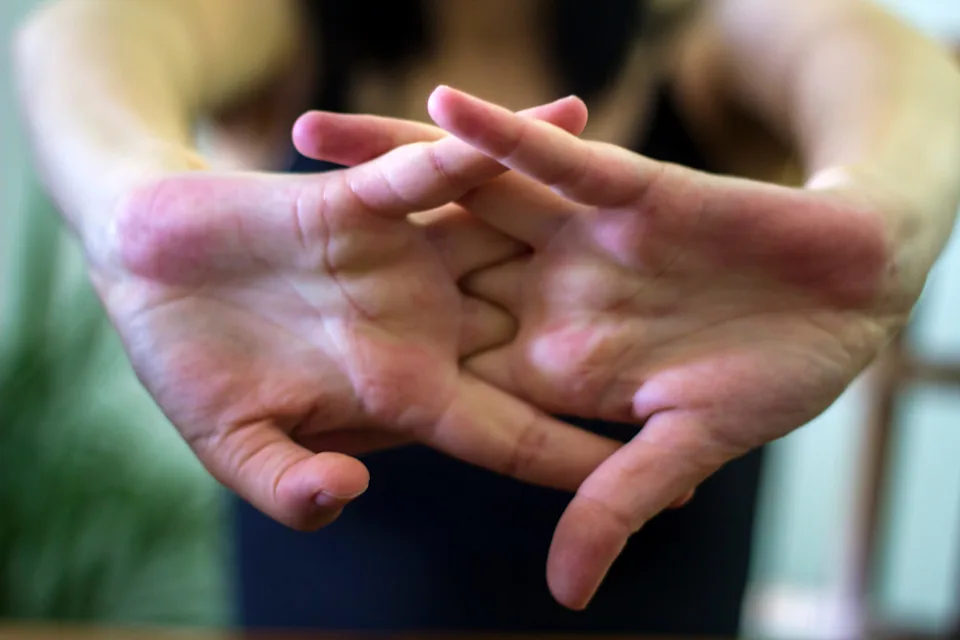
If you are a habitual knuckle cracker, someone has probably warned you that you are going to get arthritis. But is this deeply ingrained belief actually true? Here is what the science says.
1.jpg

What Makes the Cracking Sound?

The popping sound does not come from bones grinding together. Instead, it is generally understood to be caused by gas bubbles in the synovial fluid—the lubricating liquid inside your joints . When you pull or bend your fingers, the joint space expands, creating negative pressure that allows dissolved gases (like nitrogen) to form a bubble. The sound you hear is that bubble forming or bursting . This is a normal physical process, not a sign of damage.

Does It Cause Arthritis?

No. The evidence from multiple long-term studies suggests that cracking your knuckles does not increase your risk of developing arthritis .

One of the most famous pieces of research on this topic was a 60-year self-experiment by a doctor named Donald Unger. He cracked the knuckles of his left hand twice daily for decades while never cracking his right. At the end of the experiment, he found no difference in arthritis between his two hands .

Larger studies support his findings. A 2011 study of 215 people aged 50 to 89 found no significant correlation between knuckle cracking and osteoarthritis, regardless of how often the habit was performed . Arthritis is more closely linked to factors like age, genetics, previous joint injuries, and inflammation .

Potential Downsides to Consider

While it will not lead to arthritis, experts note a few potential downsides:

  • Reduced Grip Strength: Some research suggests that habitual knuckle crackers may experience a slight reduction in grip strength over time compared to non-crackers .

  • Soft Tissue Irritation: Forceful or aggressive cracking, particularly twisting the joint beyond its normal range, could potentially irritate ligaments or tendons .

  • Temporary Swelling: Some people may experience temporary swelling in their hands, though this mild inflammation is not considered a sign of joint damage .

When to See a Doctor

For most people, gentle knuckle cracking is generally harmless. However, you should stop and see a doctor if you experience :

  • Pain or discomfort during or after cracking.

  • Swelling or warmth in the joint.

  • Stiffness or a noticeable decrease in your range of motion.

These could be signs of a pre-existing condition like arthritis, trauma, or inflammation that needs attention .

The Bottom Line

Cracking your knuckles is a benign habit for most people and does not cause arthritis . While it may be annoying to those around you, the science indicates it is safe. If your joints are pain-free, you can continue the habit without worrying about arthritis later in life

look ad Watch AD Unlock More

Advertisement

Trending
Grey Hair Before Your Time? What Current Research Says About Prevention
Read more >>
Restorative Retreats: Top Luxury Spa Days to Book in Singapore
Read more >>
Gut Health and Stress: What’s the Link and How to Manage Both
Read more >>

Advertisement

Twisted your knee? Heard a pop? How to tell what you've injured and when to seek treatment
Read more >>
Sugar and Your Kidneys: A Guide to Prevention in Singapore
Read more >>
Going Under the Knife? What to Know About Anaesthesia Before Surgery
Read more >>
Greek Yogurt vs. Cottage Cheese: Which protein snack wins?
Read more >>
Can Giving Up Alcohol for a Week Improve Your Sleep? Here's What Experts Say
Read more >>
Why Your Athlete’s Foot Keeps Coming Back – and How to Put an End to It
Read more >>

Advertisement

How to Prevent Varicose Veins During Your Singapore Pregnancy: Tips for Expecting Mums
Read more >>
Want to Feel Better Every Day? 5 Simple Habits That Can Improve Your Health
Read more >>
Why Do Some People Drool in Their Sleep? Common Causes Explained
Read more >>
Prostate Cancer Is One of the Most Common Cancers in Singaporean Men – Can It Be Prevented?
Read more >>
Best Exercises for Menopause: Cardio, Strength, and Balance Experts Recommend
Read more >>
Want to Boost Your Longevity? Limit These 6 Foods Now
Read more >>
6 Myths About Gut Health Gastroenterologists Want You to Stop Believing
Read more >>
Managing Eczema Flare-Ups in Singapore’s Humid Climate – Tips That Work
Read more >>
How fermented foods like kimchi and yoghurt affect your health
Read more >>
From Heart Health to Allergy Alert: The Good and Bad of Sesame Seeds
Read more >>
A Men’s Health Clinic in Bangkok for Expats – Specialist Care You Can Trust
Read more >>