




Advertisement
Singapore's automotive landscape is currently undergoing its most significant transformation since the introduction of the COE system. With the Singapore Green Plan 2030 in full swing and the goal of phasing out internal combustion engine vehicles by 2040, the island has seen a massive surge in electric vehicle (EV) adoption. However, for many new EV converts, the simple habit of visiting a petrol station has been replaced by a much more complex reality: the EV Charging Price Index.
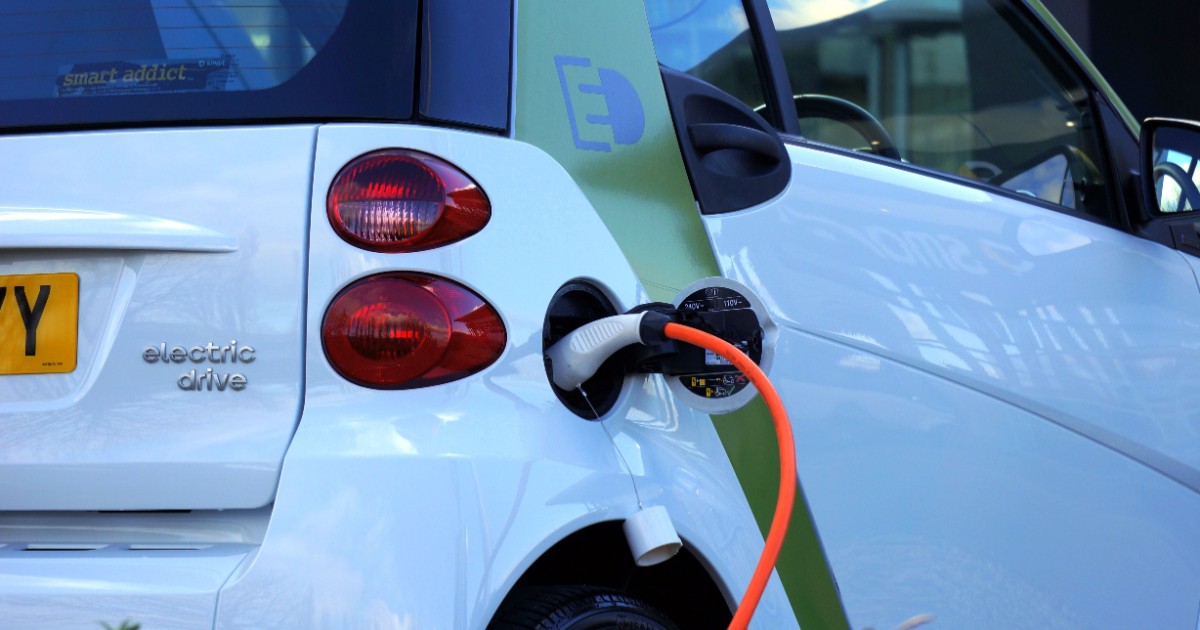
Unlike petrol, which has a relatively transparent daily rate displayed on large LED boards, EV charging costs in Singapore vary wildly. Prices depend on the provider, the speed of the charger (AC versus DC), the location (HDB versus mall versus petrol station), and even the time of day. In this definitive guide, we analyse the current price index, compare the major charging networks, and show you how to navigate this high-tech landscape effortlessly.
Understanding the EV Charging Price Index
The cost of charging an EV in Singapore is primarily measured in cents per kilowatt-hour (kWh). For reference, a typical BYD ATTO 3 or Tesla Model 3 has a battery capacity of roughly 60kWh. A full charge from 10% to 100% requires about 54kWh of energy.
As of July 2026, the EV charging price index Singapore is divided into four distinct categories:
Category A: Government-linked & HDB residential – SP Group and CDG Engie focus on "slow" AC charging (7.4kW or 11kW), which is the cheapest way to charge overnight.
Category B: Private commercial networks – Charge+ and Tesla Superchargers offer high-speed charging with varying pricing structures.
Category C: Premium/Flash charging – Shell Recharge locations offer high-power DC chargers (up to 180kW) designed for quick top-ups.
Category D: Destination charging – Malls and hotels often managed by various providers, sometimes with location-specific surcharges.
Comparing the Major Players: 2026 Charging Rate Index
Provider | AC Rate (per kWh) | DC Rate (per kWh) | Advantages |
SP Group | ~$0.63 | ~$0.72 | Reliability, national coverage |
CDG Engie | ~$0.59 | ~$0.69 | Across HDB heartlands, ease of use |
Charge+ | ~$0.61 | ~$0.71 | In condominiums, smart scheduling |
Shell Recharge | N/A | ~$0.80 | Ultra-fast charging speeds |
Tesla Supercharger | N/A | ~$0.55 - $0.85 | Exclusive tech, congestion logic |
Bluecharge | ~$0.60 | N/A | Ubiquitous street parking |
AC Versus DC: The Technical Cost Divide
When looking at the EV charging price index Singapore, the biggest price gap comes from the type of electricity being delivered.
AC charging (alternating current) – Most HDB and condo chargers are AC units rated at 7.4kW or 11kW. These offer the cheapest rates, are better for long-term battery health, and are perfect for overnight charging. However, a full charge can take six to nine hours.
DC charging (direct current) – These are the large units found at petrol stations and malls. A 150kW DC charger can add 200km of range in just 15 minutes, making them ideal for quick top-ups. However, they are the most expensive per kWh and may add more stress to the battery.
The time taken to charge a battery from 20% to 80% is a commonly used benchmark, as charging is typically fastest within that range . For electric buses with larger battery capacity, charging from 20% to 80% takes less than two hours using fast chargers, compared with four to six hours using most commercial chargers .
The "Hidden" Costs of EV Ownership in Singapore
The per-kWh price is only one part of the story. To truly master the EV charging price index, you must account for these Singapore-specific factors:
A. Parking surcharges – In many malls and commercial buildings, you must pay the prevailing hourly parking rate while charging. If you are charging at a mall in a prime area for two hours, your effective "charging" cost can effectively double.
B. Idle fees (the hogging penalty) – As of 2026, almost all providers have implemented idle fees. Once your car reaches 100% charge, you have a certain grace period to move it. If you stay, you could be billed up to 50 cents per minute, or even $1 per minute during peak demand periods.
C. Transaction and membership fees – Some providers still charge a "session fee" per plug-in period. Private hire vehicle drivers often opt for subscription models, where they pay a monthly fee to unlock a percentage discount on every kWh.
How to Optimise Your EV Charging Budget
If you want to beat the charging price index and keep your EV motoring costs as low as possible, follow these pro tips:
The "HDB overnight" strategy – Aim to do 90% of your charging at HDB AC chargers. Their lower rates and lack of idle fees make this the most economical choice.
Monitor off-peak rates – Some providers have begun trialling dynamic pricing. Charging at 2:00 AM might be cheaper per kWh than charging at 6:00 PM.
Use a smart map – Avoid driving around looking for an available charger. Use an app that integrates real-time status updates for multiple EV charging networks, telling you if a charger is occupied before you drive there, saving you time and battery energy.
Credit card optimisation – Use cards that offer rebates on utilities or online spending to get cashback on your charging sessions.
SP Group operates the largest high-speed public EV charging network in Singapore and has launched Singapore's first EV fast charging hub at an HDB carpark in Tengah, comprising eight DC fast charging points of up to 100kW and six AC charging points at 7.4kW each .
Future Trends: V2G and Wireless Charging
By late 2026 and early 2027, the EV charging price index Singapore will evolve with two new technologies:
V2G (vehicle-to-grid) – Trials are underway where EV owners can sell energy back to the grid during peak hours. If your car is fully charged and electricity prices spike at peak times, your car could "sell" its power back, effectively offsetting your morning charging costs.
ERP 2.0 integration – With the full rollout of the on-board units, there are plans to integrate EV charging payments directly into the ERP 2.0 system, allowing for "plug & drive" simplicity where the car is automatically identified and billed without needing an app.
Knowledge Is Power
The EV charging price index Singapore is the new "price of petrol." While it offers more complexity, it also offers more freedom. For the first time, you can choose how much you pay for your car's energy based on how you plan your day. By understanding the difference between SP Group's reliability, CDG Engie's HDB convenience, and Shell's ultra-fast speed, you can tailor your charging habits to your budget.


Advertisement


Advertisement


Advertisement


Advertisement


